Get Grease Trap Installation
Local contractors can install grease traps to prevent kitchen and food service drainage clogs, odors, and plumbing issues for commercial and industrial properties.
Grease trap installation is a key consideration for property owners seeking effective management of kitchen waste and wastewater. Whether operating a restaurant, commercial kitchen, or food-processing facility, having a properly installed grease trap can help ensure compliance with local regulations and reduce the risk of plumbing issues. Property owners exploring this work often look for reliable local contractors who can provide professional installation tailored to their specific needs, making it easier to plan and manage their property’s maintenance projects.
For those considering grease trap installation, understanding the options available from nearby service providers can help streamline the decision-making process. Comparing local contractors ensures access to experienced professionals capable of handling the complexities of installation, helping property owners make informed choices. This approach supports a practical and organized planning process, making it easier to identify the right service providers for the job. Keep reading to discover how local experts can assist with your grease trap installation needs.
- Commercial Kitchens - Businesses needing grease trap installation to comply with health regulations and prevent plumbing issues.
- Restaurant Renovations - Establishments upgrading their facilities and requiring new grease traps for improved waste management.
- Food Processing Facilities - Operations that generate significant grease waste and need proper trapping systems installed.
- Industrial Food Production - Factories requiring specialized grease trap solutions to handle high-volume grease disposal.
- Public Food Service Venues - Cafeterias and catering sites seeking professional installation to ensure proper grease waste handling.
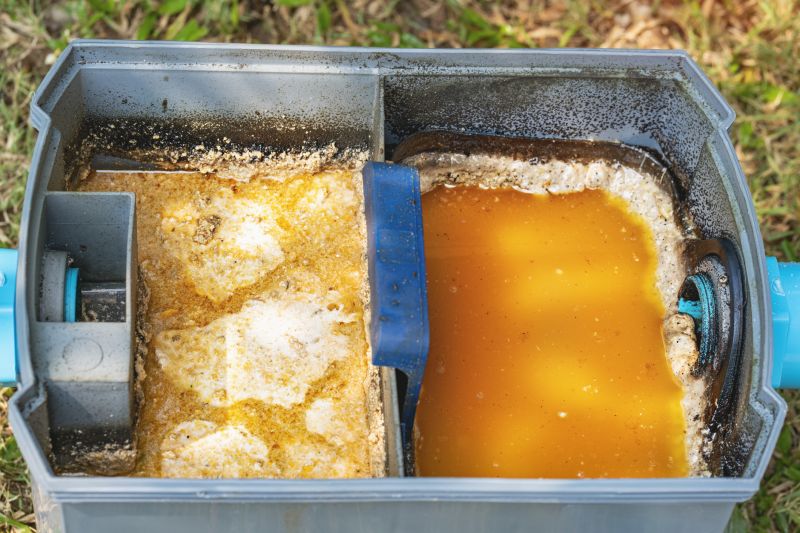
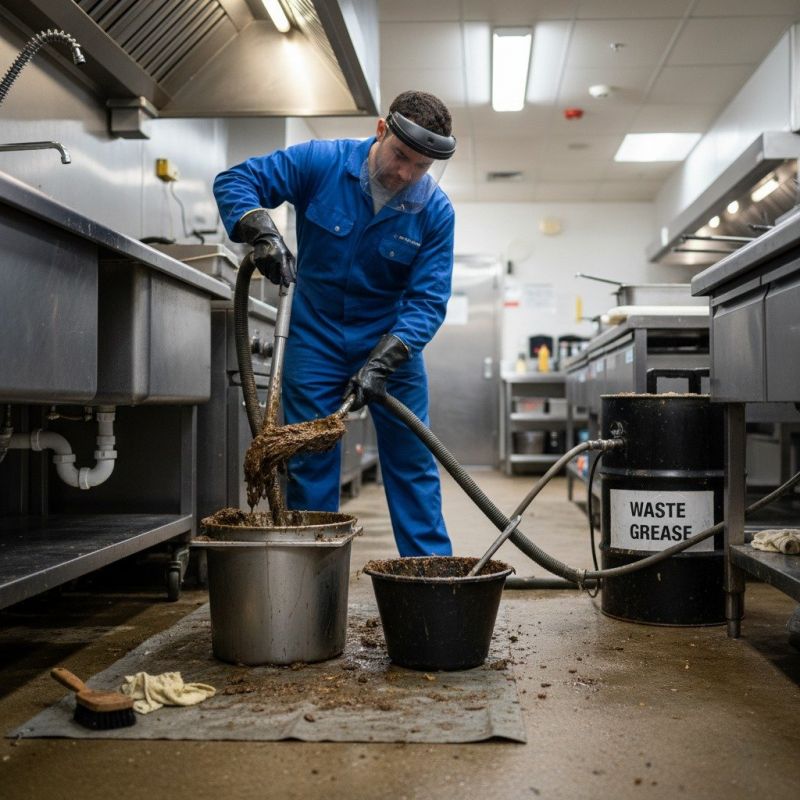
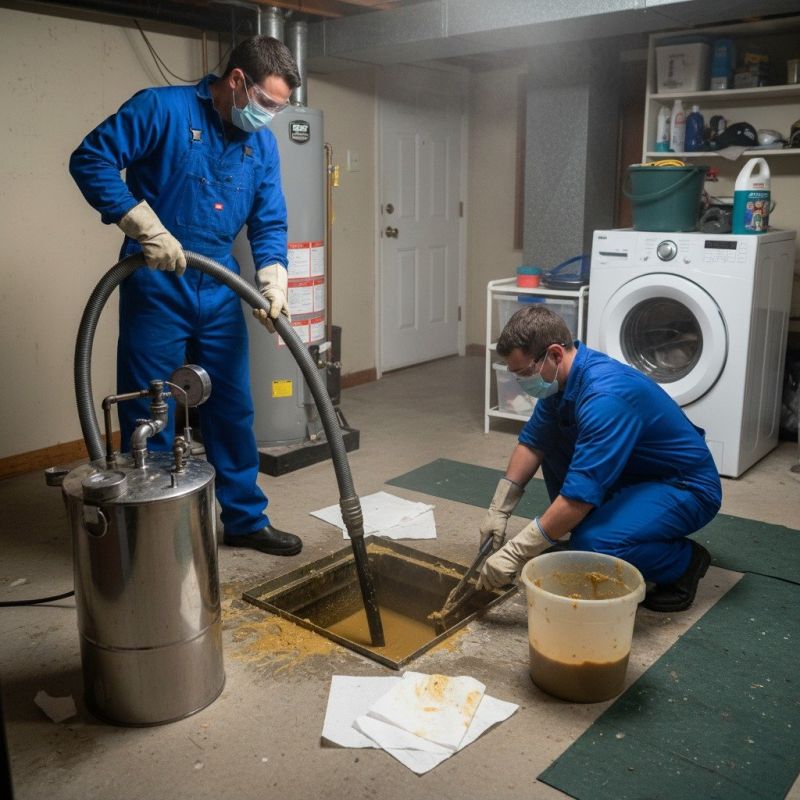
Grease trap installation involves setting up a specialized device designed to capture fats, oils, and greases from kitchen wastewater before it enters the plumbing system. This process typically includes selecting the appropriate size and type of trap for the property, excavating a suitable location, and securely installing the unit according to plumbing standards. Proper installation ensures that kitchen wastewater is effectively filtered, preventing blockages and reducing the risk of plumbing backups that can cause costly damage and inconvenience.
This service helps address common problems associated with grease buildup in plumbing systems. When grease accumulates in pipes, it can lead to clogs, foul odors, and slow drainage, often resulting in costly repairs or the need for frequent cleaning. Installing a grease trap provides a practical solution by intercepting grease and preventing it from flowing further into the sewer system. This not only helps maintain smooth plumbing operation but also supports compliance with local health and sanitation regulations that often require commercial kitchens to manage grease waste properly.
Properties that typically utilize grease trap installation include restaurants, cafes, catering facilities, and other commercial kitchens. However, some residential properties with large or home-based food preparation setups may also benefit from installing a grease trap to manage kitchen waste effectively. These installations are especially important in properties where food service is a regular activity and where grease-related plumbing issues have been a recurring problem. Local contractors can assess the property's needs and recommend the right type and size of grease trap to ensure optimal performance.
Choosing to work with experienced service providers ensures that grease trap installation is completed correctly and efficiently. Local pros can handle everything from site assessment and permitting to installation and final inspection. Properly installed grease traps help property owners avoid plumbing disruptions, reduce maintenance costs, and ensure compliance with local sanitation standards. Contacting a professional can provide peace of mind that the system is set up to function reliably and effectively for years to come.
The overview below groups typical Grease Trap Installation projects into broad ranges so you can see how smaller, mid-sized, and larger jobs often compare in your area.
In many markets, a large share of routine jobs stays in the lower and middle ranges, while only a smaller percentage of projects moves into the highest bands when the work is more complex or site conditions are harder than average.
Smaller Repairs - Typical costs for minor grease trap repairs or cleaning range from $250-$600. Many routine jobs fall within this middle range, with fewer projects reaching the higher end of the spectrum.
Standard Installation - Installing a new grease trap usually costs between $1,000 and $3,000. Most local contractors handle these projects within this range, depending on the size and complexity.
Full Replacement - Replacing an existing grease trap can range from $2,500 to $5,000 or more for larger, more complex systems. These higher costs are less common but are necessary for extensive upgrades or outdated systems.
Custom or Large-Scale Projects - Large or custom grease trap installations can exceed $5,000, especially for commercial or specialized systems. Such projects are less frequent but handled by experienced local service providers.
Actual totals will depend on details like access to the work area, the scope of the project, and the materials selected, so use these as general starting points rather than exact figures.
Septic Tank Installation - professionals who install septic systems often have skills in underground piping and site planning similar to those used in grease trap setup.
Commercial Plumbing Services - commercial plumbing projects require expertise in drainage systems and fixture installation, aligning with grease trap installation tasks.
Stormwater Management Systems - designing and installing stormwater drainage involves planning and excavation skills comparable to those needed for grease trap placement.
Wastewater Treatment System Setup - setting up wastewater treatment units involves understanding of piping and environmental considerations similar to grease trap work.
Kitchen Plumbing Renovations - remodeling projects often require installing or upgrading grease interceptors and drainage, requiring similar planning and tools.
Industrial Drainage System Installation - large-scale drainage projects involve complex pipe layout and site assessment skills akin to grease trap installation services.
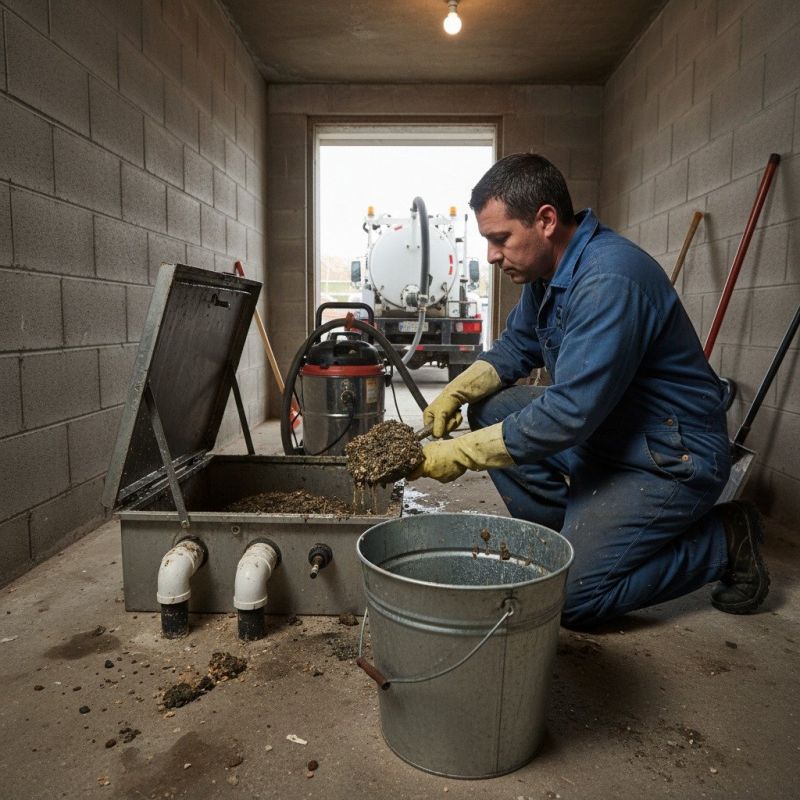
When comparing service providers for grease trap installation, it’s important to consider their experience with similar projects. Look for local contractors who have a proven track record of handling grease trap installations in settings comparable to your property. An experienced professional will understand the specific requirements and challenges associated with the job, which can help ensure the work is completed efficiently and effectively. Gathering information about their past projects can provide insight into their familiarity with local codes, common issues, and best practices relevant to your area.
Clear written expectations are essential when selecting a contractor for this type of work. A reputable local provider should be able to outline the scope of services, materials used, and any relevant procedures in a straightforward manner. Having detailed, written information helps prevent misunderstandings and ensures everyone is aligned on the project’s goals. It’s also advisable to request a list of references or examples of completed jobs, so you can verify the quality of their work and gain confidence in their ability to meet your needs.
Effective communication is a key factor in choosing the right service provider. A dependable local contractor will be responsive, transparent, and willing to answer questions about the installation process. Good communication helps establish trust and allows for the smooth exchange of information throughout the project. When comparing options, consider how comfortably you can discuss your project details and whether the provider demonstrates professionalism and clarity in their interactions. Remember, this site’s role is to introduce homeowners to local pros who can handle the work, not to perform the installation itself.
Property owners use Grease Trap Installation services for practical projects around their homes and businesses. This guide focuses on everyday jobs and straightforward project options.
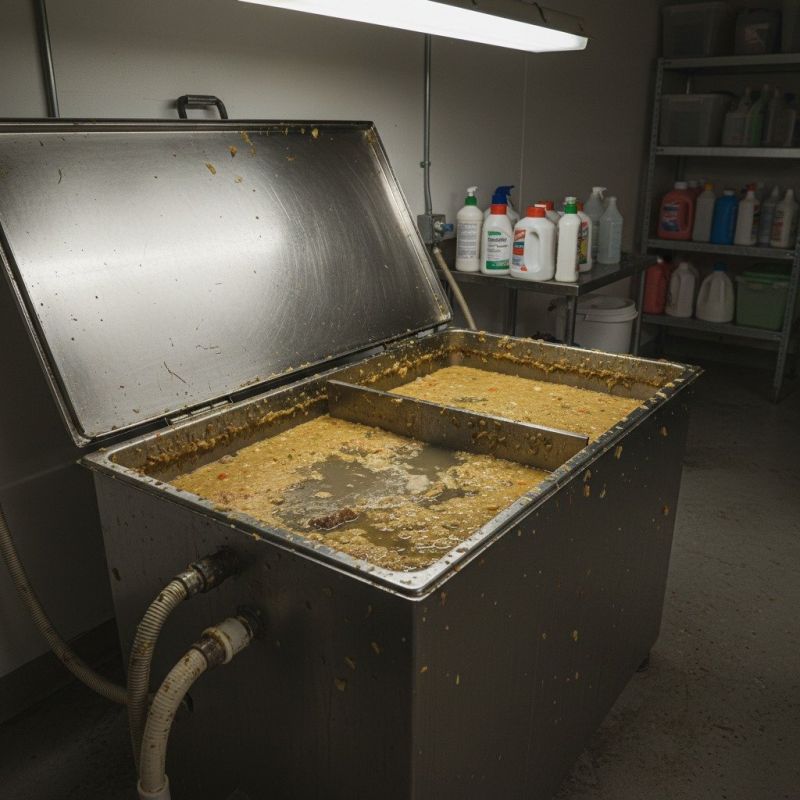
Grease trap installation is a common need for property owners managing commercial kitchens, restaurants, or food service establishments. When grease buildup begins to cause plumbing issues or foul odors, many seek the expertise of local contractors who specialize in installing and maintaining these systems. These professionals can help ensure that grease traps are properly set up to handle daily kitchen waste, preventing costly backups and maintaining smooth operations.
Property owners in the area may also look for grease trap installation services when opening a new food-related business or upgrading existing plumbing infrastructure. Proper installation by experienced local service providers can help meet local codes and industry standards, reducing the risk of future plumbing problems. Connecting with trusted local contractors can make the process straightforward and ensure the job is completed efficiently and correctly.
What is involved in grease trap installation? Grease trap installation typically includes assessing the site, selecting the appropriate size, and installing the unit according to local codes and regulations. Local contractors handle the setup to ensure proper function and compliance.
Why is professional installation important for grease traps? Professional installation helps ensure the grease trap operates effectively, prevents leaks or backups, and meets local plumbing standards, reducing potential issues over time.
How do I know which grease trap size I need? The right size depends on the volume of kitchen waste and the number of fixtures. Local service providers can evaluate your needs and recommend a suitable unit.
Can grease trap installation be integrated with existing plumbing? Yes, experienced local contractors can connect a new grease trap with existing plumbing systems, ensuring proper flow and compliance with local regulations.
What are common types of grease traps available for installation? Common options include passive gravity traps, automatic grease removal units, and sandwich traps, with local pros able to advise on the best choice for specific needs.
Grease Trap Installation for Commercial Kitchens - Ensures proper waste management for restaurants and food service businesses to meet health standards.
Residential Grease Trap Setup - Helps property owners prevent plumbing clogs caused by cooking grease in home kitchens.
Custom Grease Trap Solutions - Allows property owners to select systems tailored to the size and needs of their food establishments or homes.
Maintenance and Replacement Services - Supports ongoing operation by connecting property owners with local contractors for upkeep and upgrades.
If you are thinking about Grease Trap Installation for a property, this guide is meant to help you understand the work, the typical project types, and how different options might fit your plans.
When you are ready, you can use the quote form on this page to share a few details about your project. From there, local pros can review the basics and respond with options that match what you have in mind.